Universities and autistic students

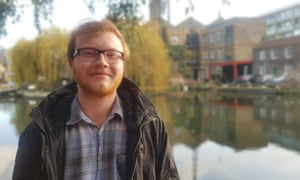
George Stanbury is a languages graduate who is autistic.

 George Stanbury is a languages graduate who is autistic.

The number of University students with social impairments is growing rapidly, but the support they get tends to be shaped around academic needs while autistic learners drop out mainly because they feel socially isolated.

Some Universities are learning how to accommodate these needs by organising weekly lunch clubs or other autistic social groups, individual mentoring sessions or via new technologies, like chatbots or Apps such as Brain in Hand.

Funds for support are available but many are unaware and applying can be a daunting task. Also some do not have a formal diagnosis, while others choose not to apply because they do not perceive themselves “disabled enough” to warrant it.
Read the full article here

Autism: a disability or a difference?

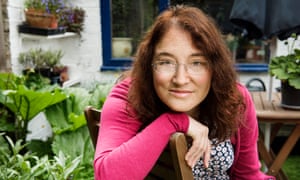
‘Would non-autistic me ever have had the focus to persevere in the isolating, all-consuming business of writing?’ Joanne Limburg.

In this article, poet and writer Joanne Limburg wonders whether her autism has been a help or a hindrance in growing up and becoming who she is.

She believes that given the right conditions and support, people with autism can thrive, shine and even reveal what some may call “superpowers”.


First day of school

As a new school year begins, this mother tells the story of her son’s first day at school and how this led to his autism diagnosis.

Photo of boy on his first day at school in the spectrum design

Although we are discouraged from applying labels to children, being diagnosed with autism is not a negative thing when it means having access to support that might otherwise be unavailable, being understood by others and understanding oneself better.

Click here to read the article

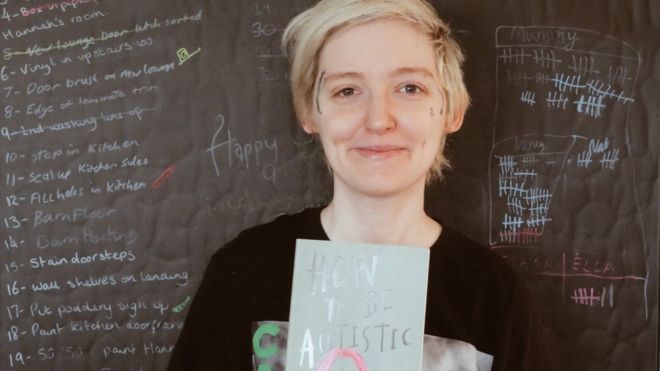
How to be autistic

Charlotte Amelia Poe

After years of battling anxiety and panic attacks, at the age of 21 it came as a relief to Charlotte Amelia Poe to learn that she had Asperger syndrome. She has now written a book she hopes will help people going through diagnosis as adults.

There’s a whole generation, at least, of people who don’t know they’re autistic, and I feel this book could be the spark that leads to diagnosis.”

Click here to read the article